Protecting the Vulnerable: How an Elder Abuse Lawyer Can Make a Difference
Elder abuse is an ongoing and critical problem impacting many vulnerable people. Identifying the warning signs is often difficult for families. An abuse lawyer specializing in elder cases provides essential guidance and support. These professionals guide clients through the intricacies of the legal process, making certain that victims obtain the justice they are entitled to. Comprehending the role of these legal experts is crucial for families striving to defend their vulnerable family members. The next steps could be transformative.
Understanding Elder Abuse: Types and Signs
Recognizing elder abuse is essential for understanding its multiple forms and the warning signs that come with them. Elder abuse can manifest in several ways, including physical harm, emotional damage, financial exploitation, and neglect. Physical abuse entails causing injury, such as hitting or restraining, while emotional abuse can involve verbal attacks or intimidation that damage an elder's sense of worth. Financial abuse commonly includes the improper use of an elder's finances or possessions, causing substantial financial harm. Neglect, in contrast, takes place when caregivers neglect to offer adequate support, causing worsening health conditions or dangerous circumstances. Indicators of elder abuse can encompass unexplained wounds, abrupt behavioral shifts, social isolation, and evidence of malnutrition or inadequate hygiene. Recognizing these indicators is crucial for intervention and protection, ensuring that vulnerable elders receive the care and respect they deserve. Education and awareness serve as the foundation for preventing and addressing elder abuse.
Ways an Abuse Attorney Can Assist Your Loved Ones
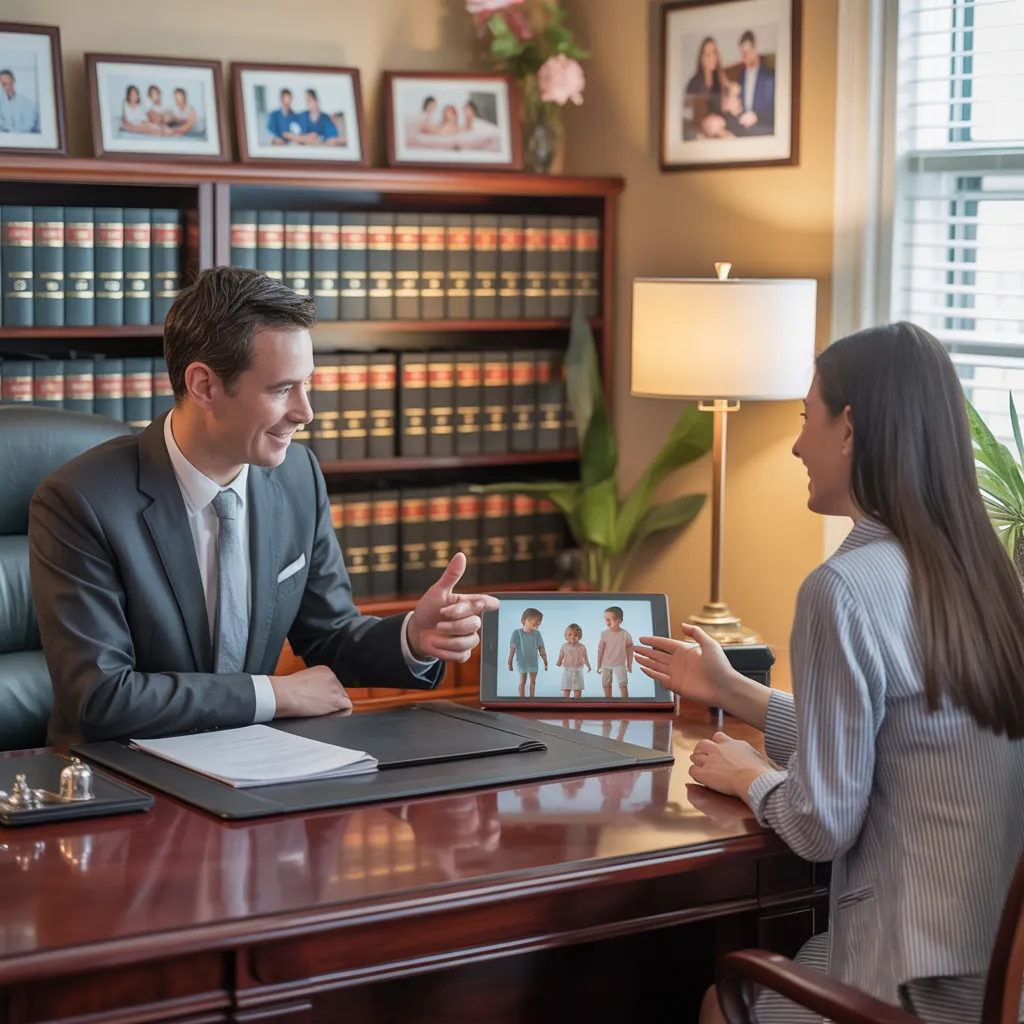
Navigating the challenges of elder abuse can be daunting for families. An abuse lawyer specializing in elder matters plays an essential role in guiding this challenging landscape. They deliver specialized support, enabling families to grasp the legal consequences of elder abuse and the appropriate actions to shield their loved ones. By performing detailed inquiries, these legal professionals accumulate key evidence to reinforce claims and defend the rights of those who are vulnerable.
In addition, a dedicated abuse attorney extends emotional assistance, alleviating certain pressures from affected families during distressing times. They are also able to enhance dialogue between loved ones and residential care facilities, confirming that issues are resolved quickly and thoroughly. Through representing families in negotiations or conflict resolutions, these dedicated advocates endeavor to achieve fair outcomes and financial compensation for injured parties. At the core, a dedicated elder abuse lawyer acts as a trusted resource, empowering families to confront abuse of the elderly and safeguard their cherished ones' well-being.
Legal Remedies Available to Elder Abuse Victims
Victims of elder abuse experience various forms of mistreatment, all of which necessitate appropriate legal remedies. Recognizing the different forms of elder abuse is critical for identifying the right course of action. Moreover, learning about the available reporting mechanisms can empower victims and their families to obtain the justice they deserve.
Categories of Elder Abuse
Elder abuse manifests in multiple forms, each creating unique difficulties for victims. Physical abuse entails the application of force, resulting in injury or pain. Emotional abuse, often overlooked, includes verbal assaults and manipulation, leading to psychological harm. Financial exploitation takes place when someone misuses an elder's finances or assets, often through deceit. Neglect stands as another critical form, characterized by the failure to provide essential care, causing elders to remain vulnerable and suffering. Sexual abuse, while less commonly reported, proves equally destructive and involves acts without consent. Comprehending these categories of abuse is vital for identifying victims and making certain they access the appropriate legal support and protection. A lawyer specializing in elder abuse plays a vital role in handling these complex issues effectively.
Reporting Procedures Explained
Steering through the challenges of reporting elder abuse can be overwhelming, yet understanding the procedures is vital for ensuring justice. Victims or witnesses should first carefully document all incidents, including specific dates, times, and detailed descriptions. Next, they can bring the matter to the attention of local authorities, such as law enforcement agencies or adult protective services. State-specific laws exist that mandate reporting, especially for professionals in caregiving roles. Seeking guidance from an abuse attorney can provide guidance on maneuvering the legal landscape, including potential civil claims against perpetrators. Additionally, victims may look into protective orders and potential criminal charges. Becoming familiar with these processes not only empowers victims but also serves a vital function in reducing further incidents of abuse in vulnerable communities.
How to Choose the Right Abuse Attorney for Your Family
Choosing the right abuse attorney for a loved one experiencing elder abuse is crucial. Essential aspects to take into account include the lawyer's knowledge of elder abuse cases, their skill in provide compassionate communication, and a established record of favorable results. These elements can greatly influence the outcome of the legal process and the welfare of the elder.
Expertise in Elder Abuse Cases
How can families guarantee they choose the most qualified abuse lawyer when confronted by elder abuse cases? Experience serves as a fundamental element in this choosing process. Families should seek attorneys with a well-established record of achievement in elder abuse cases, as familiarity with the specific legal nuances can greatly impact case outcomes. It is important to inquire about the lawyer's previous cases, concentrating on their victories and the categories of elder abuse they have managed, such as bodily, emotional, or financial mistreatment. Furthermore, learning about the attorney's methodology to these delicate matters can provide insight into their capability. By valuing experience, families can improve their likelihood of obtaining justice for their family members while guaranteeing that their matter is handled with the highest level of skill.
Compassionate Communication Skills
Beyond experience compassionate communication skills are essential when selecting an attorney for elderly abuse situations. An attorney who can understand both the senior victim and their family members creates a nurturing environment. This type of legal professional actively listens, affirming emotions and worries while providing clear explanations of legal processes. Such communication cultivates rapport, enabling families to openly share personal details. Furthermore, a empathetic lawyer helps handle the often daunting legal landscape with patience and understanding. This strategy not only eases the emotional burden on families but also improves the legal professional's effectiveness in advocacy. Ultimately, selecting an elder abuse attorney with effective interpersonal skills can profoundly affect the general outcome for victims and their families.
Demonstrated Track Record
A history of successful outcomes can markedly impact the choices families make when families search for an legal advocate for elder cases. Loved ones frequently seek attorneys with a history of winning cases and delivering justice for their clients. Skilled legal advocates exhibit not only their professional knowledge but also their dedication to fighting for vulnerable populations. Indicators including favorable settlements, trial victories, and client testimonials act as key measures of an attorney's capability. Moreover, a solid history of success can provide families with confidence that their selected attorney possesses the necessary skills and experience to manage intricate legal matters. In the end, choosing an attorney with a track record of achieving results can significantly influence the results of elder abuse litigation, making certain that fairness prevails.
Why Elder Abuse Victims Need Advocacy
Although many elder abuse victims remain silent due to fear or shame, advocacy serves a vital role in exposing their suffering. Advocates provide a significant voice for these individuals, highlighting their rights and raising awareness about elder abuse. By drawing attention to the frequently ignored challenges faced by older adults, advocacy campaigns contribute to eliminating the stigma connected to victimization.
Furthermore, advocacy builds more secure settings for older adults by campaigning for policy changes and stronger protections. It encourages a community bond, encouraging victims to come forward and pursue assistance. This backing can generate increased reporting of abuse, which is crucial for recognizing and resolving deeply rooted problems.
Ultimately, the contributions of victim advocates uplifts those affected, providing them the tools and assurance needed to rebuild their futures. Their efforts not only aid in individual recovery but also advance a broader societal responsibility to safeguarding at-risk individuals against abuse.
Essential Resources for Families Facing Elder Abuse
Families confronting elder abuse often feel overwhelmed and uncertain about the next steps to take. Accessing essential resources can provide much-needed guidance and support. Organizations such as the National Center on Elder Abuse (NCEA) offer extensive information, including signs of abuse and ways to report incidents. Community adult protective services (APS) can aid in examining allegations and delivering prompt support.
Seeking legal help is crucial; working with an elder law attorney who focuses on abuse cases can help clarify available rights and options. Additionally, support groups, both in-person and online, enable families to engage with others experiencing similar difficulties, cultivating a supportive community and shared sense of belonging.
Helplines, such as the Elder Abuse Helpline, deliver round-the-clock support, enabling families to get assistance at any time. By leveraging these tools, families can address the difficulties of elder abuse more efficiently, ensuring the protection and welfare of their loved ones.
Questions Our Clients Often Ask
What Are the Financial Costs of Hiring an Elder Abuse Lawyer?
Hiring an elder abuse lawyer generally involves fees ranging from $150 to $500 per hour, based on the attorney's expertise and explore the details geographic area. Certain attorneys may provide contingency arrangements, taking a portion of any compensation awarded rather than hourly fees.
What Is the Typical Duration of the Legal Process for Elder Abuse Cases?
The legal proceedings for cases involving elder abuse usually extends across several months to a few years, subject to the intricacy of the case, the level of cooperation among involved parties, and the scheduling of the court. Each circumstance can vary greatly.
Are Elder Abuse Cases Actionable Without Physical Evidence?
Yes, elder abuse cases can move forward without physical evidence. Behavioral changes, testimonies, and financial records can support claims, making legal action possible even without concrete proof of abuse being present, highlighting the complexity of such cases.
How Do Family Members Contribute to the Legal Process?
Family individuals commonly function as crucial witnesses in elder abuse cases, providing essential testimony and documentation. Their engagement can help establish behavioral patterns, support claims, and stand up for the elder's welfare and rights throughout the legal process.
Can Families Dealing With Elder Abuse Find Support Groups?
Certainly, a wide range of support groups are available for families facing elder abuse, delivering guidance, emotional support, and resources. Such groups cultivate a sense of belonging, supporting families through their challenges and share their stories in a safe and supportive environment.